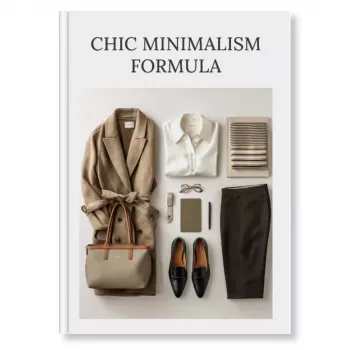
Chic minimalism pairs fewer pieces with clearer choices: a small set of essentials, a repeatable outfit recipe, and a style vision that keeps purchases and daily dressing aligned. The goal isn’t a restrictive closet—it’s a calm system that makes you look intentional on ordinary days, too.
“Meaningful” minimalism is about keeping pieces that earn their space through comfort, versatility, and a look that feels like home. Instead of chasing a perfect number of items, aim for “enough” to dress your real life with ease.
Chic minimalism doesn’t mean uniformity. Calm cohesion can still feel expressive through repeated silhouettes, a controlled color range, and subtle depth—like linen texture, ribbed knits, or crisp cotton. If you want a personal stamp, pick one signature detail and repeat it: gold jewelry, sharp collar lines, a linen-forward wardrobe, or one accent color that shows up in small doses.
A style vision keeps shopping and outfit decisions aligned—especially on days when everything feels “meh.”
If you want a ready-to-use framework you can save and reuse, the Chic Minimalism Formula | Meaningful Minimalism Outfit Recipe Checklist | Capsule Wardrobe, Outfit Planning, Style Vision Guide makes it easy to keep your vision consistent from closet edits to new purchases.
Start with core categories—tops, bottoms, layers, dresses (optional), shoes, bags, and finishing touches—then choose pieces that mix without mental math. Favor repeatable basics with elevated lines: clean tees, refined tanks, crisp shirts, structured knits, straight-leg trousers, dark denim, and one tailored outer layer.
Keep patterns limited and intentional. When you want more interest, use texture instead of visual noise. (Natural fibers like cotton are popular partly because they’re breathable and comfortable—two traits that increase wear frequency; see Britannica’s overview of cotton fiber.)
| Category | Best-for | Notes for chic minimalism |
|---|---|---|
| Tops (5–7) | Daily rotation | Repeat silhouettes; vary neckline/texture |
| Bottoms (3–5) | Outfit foundation | Prioritize fit at waist/hip; easy hem lengths |
| Layers (2–4) | Polish + warmth | One structured (blazer/coat), one relaxed (cardigan) |
| Shoes (2–4) | Comfortable consistency | One everyday flat/sneaker, one elevated option |
| Accessories (4–8) | Personal signature | Small set; consistent metal/color story |
Finally, plan around real life: climate, commute, laundry cadence, and what you do on a normal Tuesday. Practical care matters, too—care labels exist for a reason, and choosing pieces you can realistically maintain reduces “hidden clutter” (the FTC explains the basics of care labeling of textile wearing apparel).
This is the outfit “formula” that keeps dressing simple while still looking polished.
For a printable, quick-scan version you can keep on your phone, use the Chic Minimalism Formula outfit recipe checklist and style vision guide to reduce decision fatigue and keep your closet edits consistent.
Many capsule wardrobes land around 25–50 pieces (often excluding special-occasion items), but the best number depends on your lifestyle, climate, and laundry routine. Focus on whether you can build repeatable outfits you actually wear, not hitting a strict count.
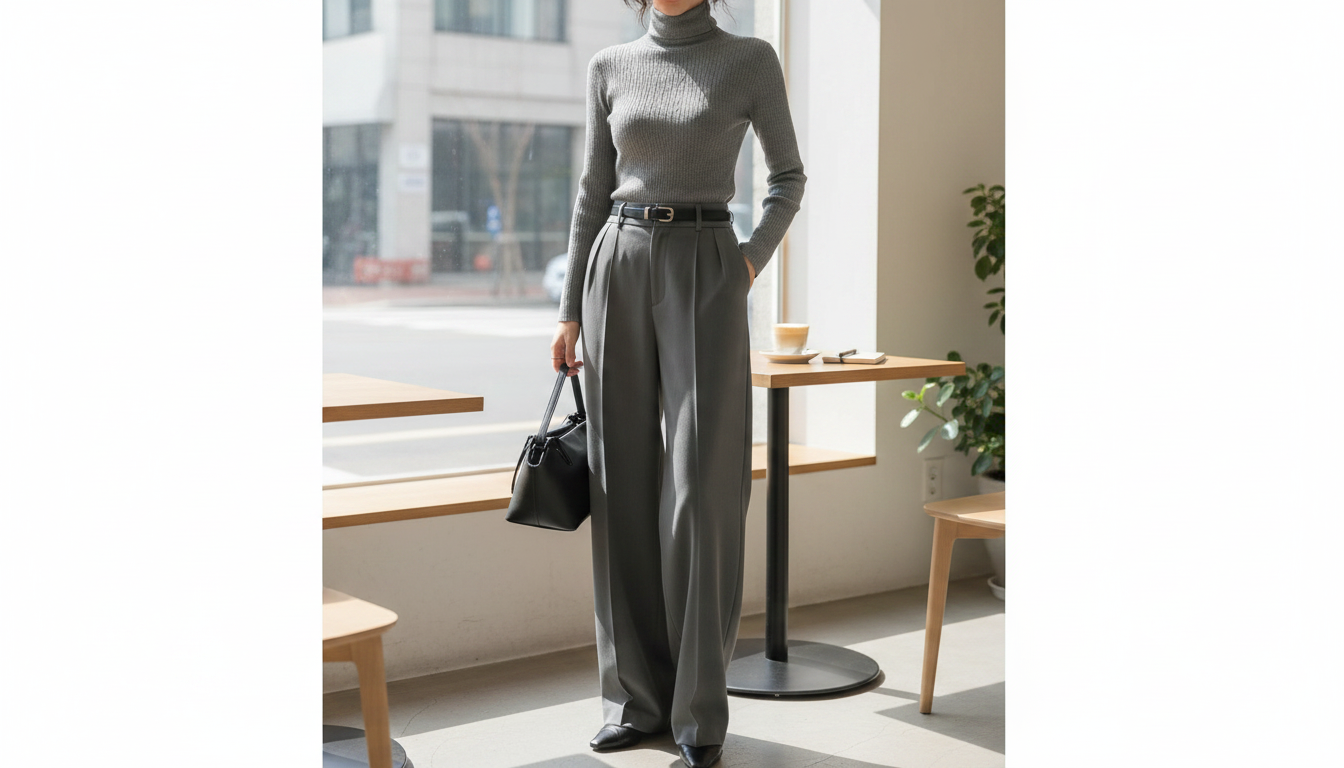
Use one contrast lever at a time—texture, proportion, or a single accent color—then keep accessories consistent for a signature finish. A clean tuck, a structured bag, and polished shoes also make simple pieces look intentional.
Choose three style words, set a neutral-based palette, and build 10 reliable outfits from what you already own. Once you have dependable go-to looks, it becomes much easier to declutter and shop with clarity.








Leave a comment